started 1/26/13
Howdy!
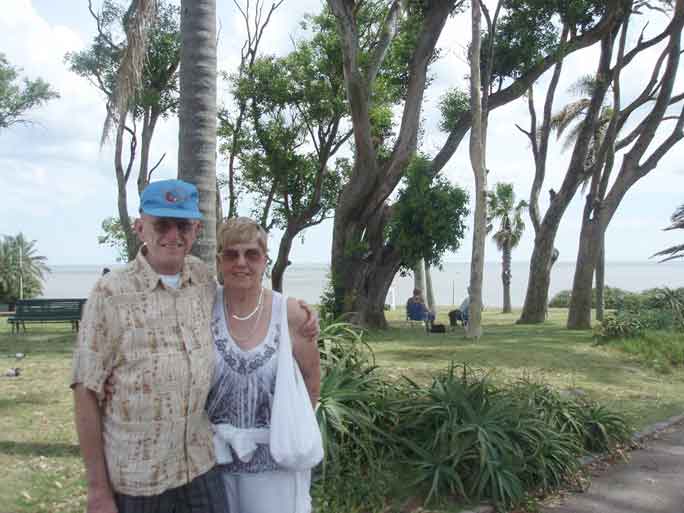
Ok. Here are some of the cruise pictures. Many more to come.
This
was taken in
This
next one is the Star Princess tied up at the pier in

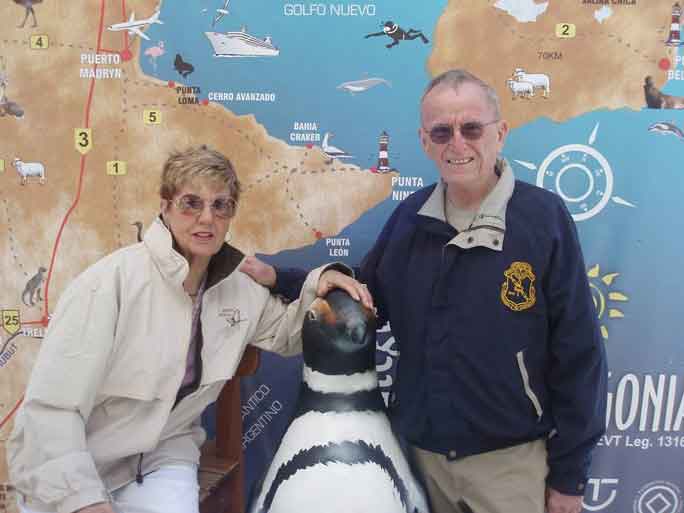
While
we shopped in Puerto Madryn, we had a chance to lean on one of the inhabitants!
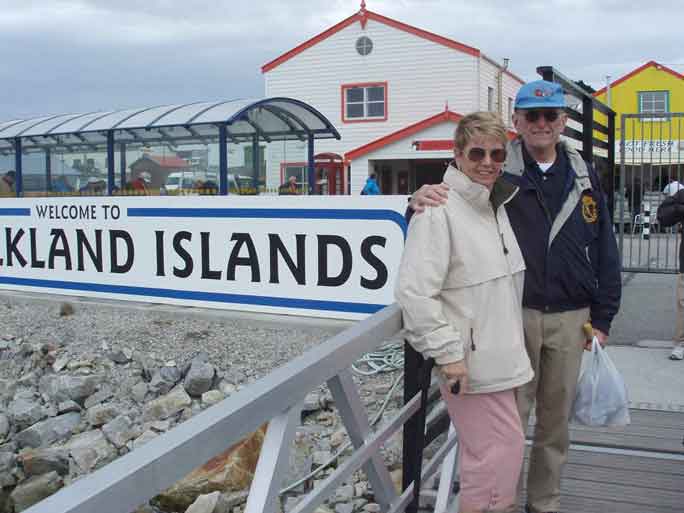
This
was our arrival in Port Stanley, in the
As
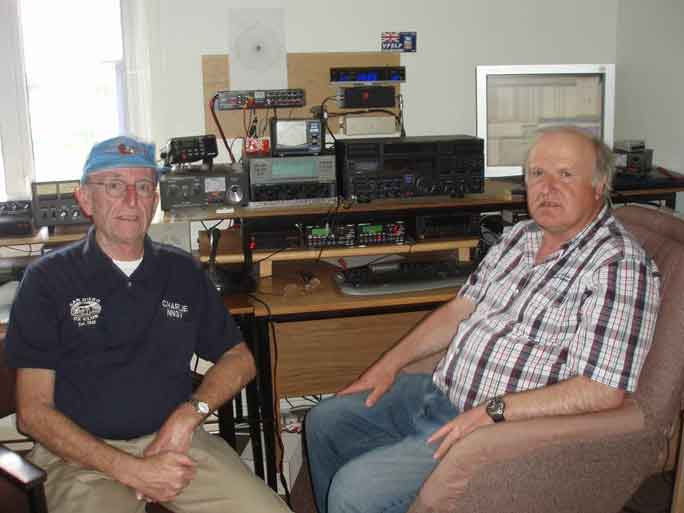
you probably know, I had been in contact with an Amateur Radio operator in the Falkland. This is his radio room. His name is Bob McLeod (VP8LP). From
his front window, overlooking the harbor (which is only about ½ mile down a
steep hill), he watched the Argentine troops land in Port Stanley when they
invaded in 1982. As they landed, he described the landing over the amateur
radio frequencies, and of course, there is every reason to suspect the British
navy was listening! As you can see, I was well prepared for the flash!
This
is a shot of the Orozco volcano, near Puerto Varas,
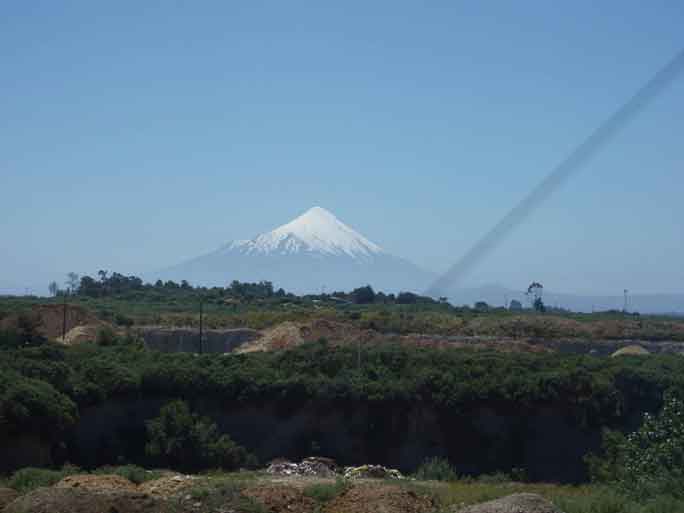
This
volcano is about 20 miles to the right of Orozco. I can’t remember its
name. It blew up in the 1930s. That’s why it does not have the
typical cone shape.
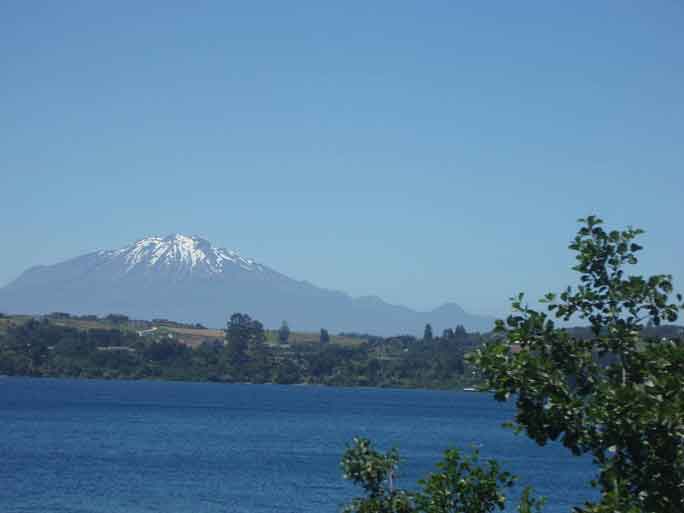
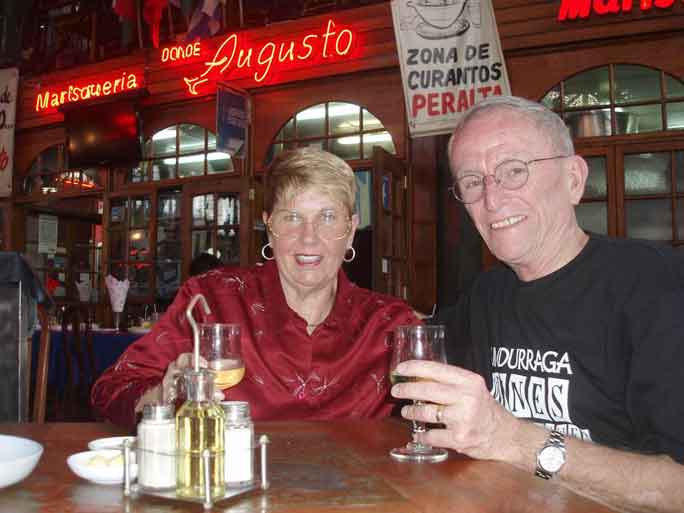
This
is taken in a typical restaurant in Santiago,
These
last two pictures were taken on one of the pool decks at the stern of the Star
Princess as we went around Cape Horn in the


Warm
regards!
=====
While
But
Chile
was a whole different matter, and the Chilean wines have a better reputation.
The
Chilean climate is much like California, the vineyards were easily accessible, and the Chileans go out of their way to
get you to a vineyard.
While
Eli shopped in Santiago, I embarked on a visit to the Undurraga vineyard, about 2 hours
outside Santiago.
Undurraga is a small winery, by Chilean standards, founded in 1885 by the Undurraga family. They produce 2 million liters (500,000 imperial gallons) of varietal wines a year. 70% of the wines are sold in Europe, 20% in China, and 10% in Chile. Unfortunately (and I do mean unfortunately, because the tasting was PHENOMENAL) none are exported to the U.S. The vineyard concentrates on Chardonnay, Merlot, Cabernet Sauvignon, and Carmenere. More on Carmenere later.
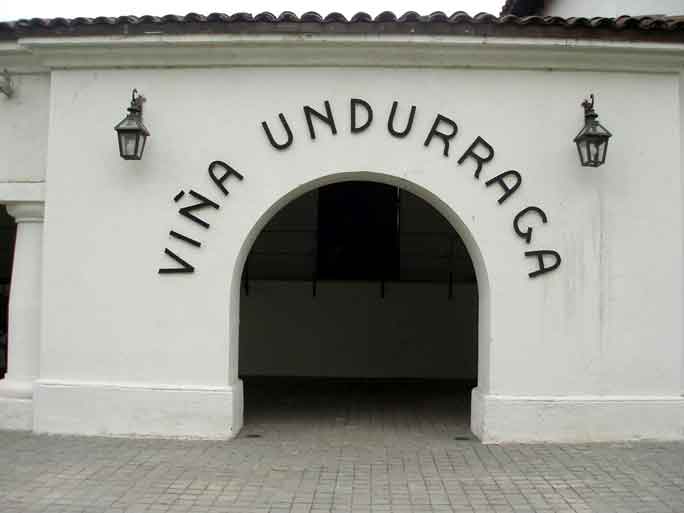
Below
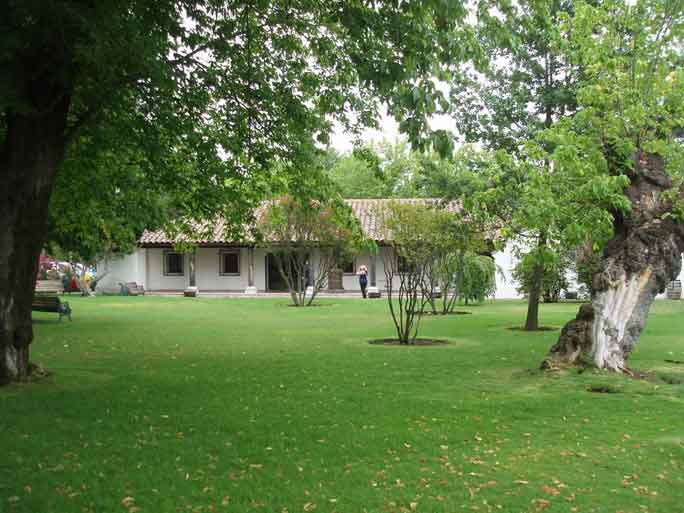
is the entrance to the Undurraga winery.
The
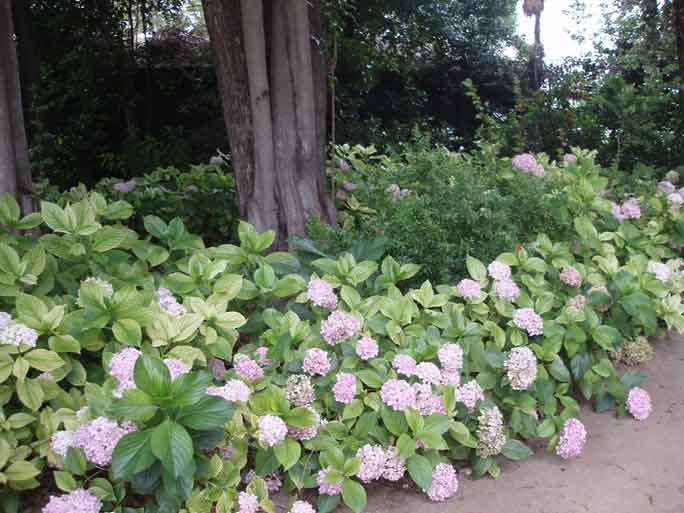
area surrounding the winery is spectacular. Flowers were abundant, the
vineyards are beautiful, and the scent from the flowers and the grapes was
tantalizing. The vineyard headquarters were the Undurraga family home, now
recycled into the tasting room and associated business offices.
Our
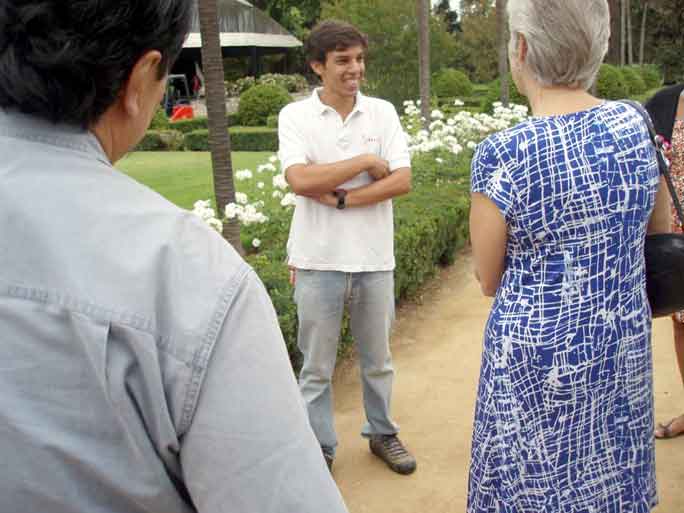
tour guide, David, is one of the winery managers. A young man, shown
below, speaks impeccable English learned at the
Like all good vineyards, the grape vines are beautiful. At the winery proper, there are 40 acres of grapes. Throughout Chile (different micro climate regions), the winery grows and additional 2500 acres of grapes of different varietals.
Here,
yours truly, outstanding in the field!

As
to Carmenere.
The
Carmenere grape is only grown in Chile. Very similar to a Merlot but fruitier, for many years Chileans called it
Merlot. In 1973, the French wine tasters started wondering why some of the
Chilean “Merlot” tasted so different. Suspecting the Chileans were
blending the wines, they started investigating the process. What they
found is that Carmenere is a completely different grape, once abundant in
Needless
to say, Chile
is almost “paranoid” about keeping the phyloxera from infesting Chilean
ground. Since the vine leaf of Merlot and Carmenere is identical, the way
to tell the difference is by an red coloration that tinges the edge of the grape
leaves on the Carmenere leaf as the grape is “setting”, that is not seen in
the Merlot.
The
Carmenere leaf is the one on the right below.

Fermentation
of the wine is accomplished using all the latest technology. Stainless
steel fermentation tanks, temperature controlled at 17 degree centigrade, etc,
etc. Below you can see an outside view of the fermentation building.
The tanks in the foreground are the old concrete tanks, no longer used.
Behind them are two of the stainless tanks. There are 15 stainless tanks
altogether.

At
the secondary fermentation stage, there are 12 smaller tanks shown below.
None of the wines are filtered.

As
you probably remember, in 2010
The
morning after the earthquake, every one of the fermentation tanks was found
destroyed! Only the old concrete vats remained standing. As the
quake took place slightly before the grape harvest of 2010, in 2 months all the
fermentation tanks were replaced with the new ones you see above, and they are
hoping not to have another quake of such magnitude for a long time!
After
fermentation in the stainless tanks for about 9 months, some of the wines are
immediately bottled. Others, the ones they consider “premium”, are
aged for additional time in French or American oak barrels.

The
cellar above was built in 1912, and was reinforced after a 1985 earthquake.
It suffered no damage in the 2010 earthquake. Temperature in the cellar is a
constant 62 F.
Last,
but not least, a view of the subject of this winery. The Carmenere grape.

This
year’s harvest will begin in late February to early March. Those of you
wondering why that is possible (since we harvest in September – October),
remember: these folks are “down under”. It is summer down under!!
I
had a FABULOUS tasting, and slept soundly on the tour bus during our two hour
return to the hotel in Santiago.
Warm
regards,
Charlie
=====
So
here are some specific details of the first two cities we visited on our cruise.
As a standard plan, we signed up for the “city tour” that Princess Cruises offered in every port we visited, which were pretty much always 2 to 2 ½ hour in duration. This way we got an idea of what the city had to offer, and could go back to anything we found really interesting.
In
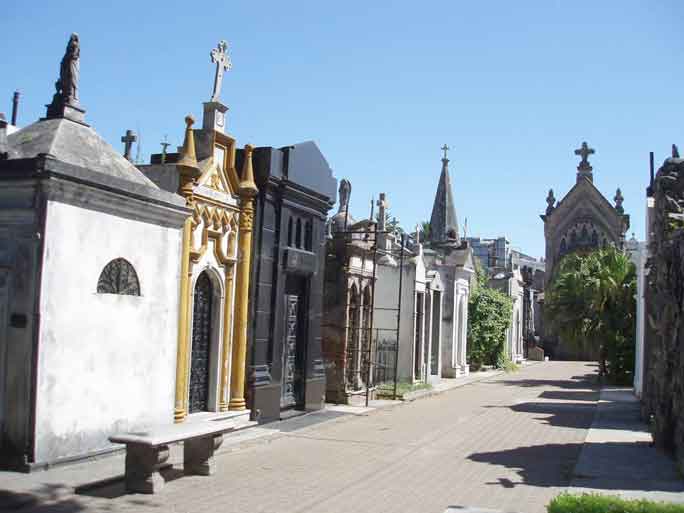
If
you know anything about
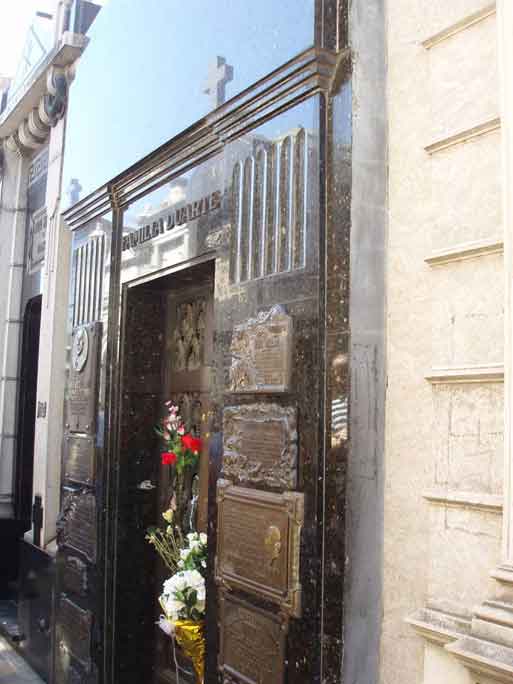
The
very surprising aspect of this Argentine fascination with mausoleums is that the
cemetery is overrun by feral cats. Makes you wonder upon what they feast?
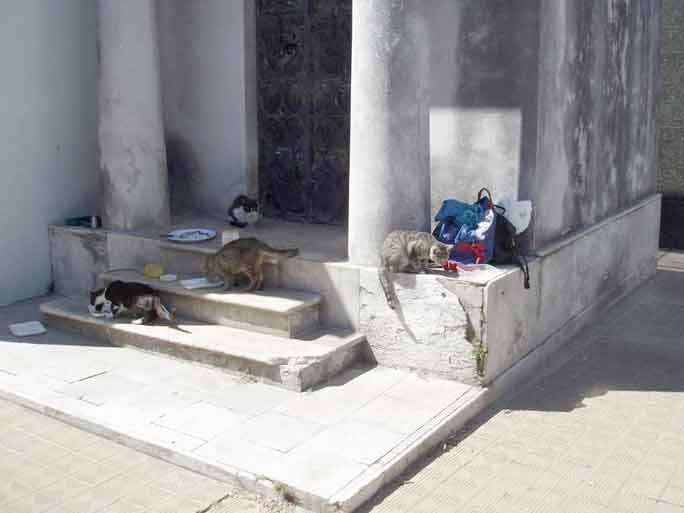
(Ed. note - looks like someone is feeding them)
The
Argentine national engineering university commissioned a sculpture that honors
ecology. The sculpture is of a massive flower that operates following the
sun. At night the flower is closed, and as the sun rises, it opens
following the sun’s path, and then as it sets, the flower closes again.
The tour guide made reference to the magic of Windows software that powers the
whole thing, as long as the computer does not suffer the BSOD.
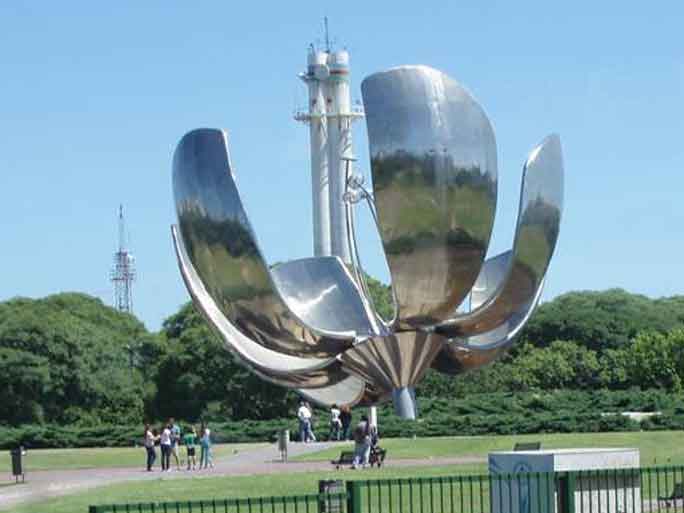
After
the tour, Eli and I went back to the city’s center area where we had seen an
interesting sight.
The
current Argentine President, Ms. Christina Kirchner, is a HIGHLY controversial
leftist. She is “fanning the flames” among the people to reclaim the
Falkland Islands (Malvinas as they are called in
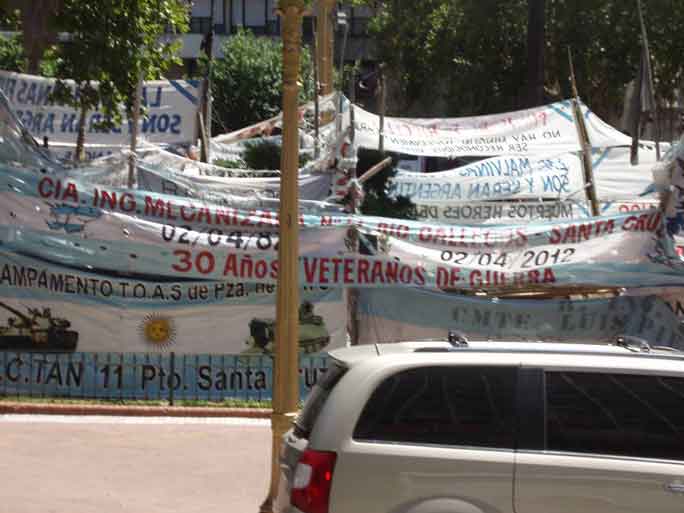
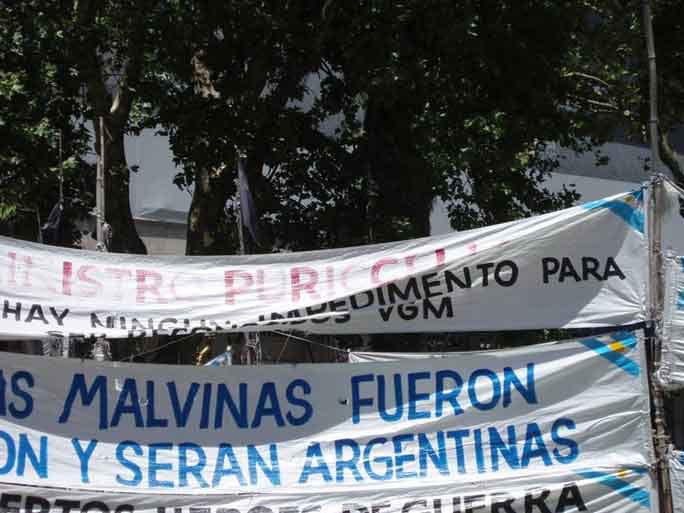
After
our political lesson, we headed to a less agitated part of the city. Full
of small shops selling locally manufactured items (nothing made in
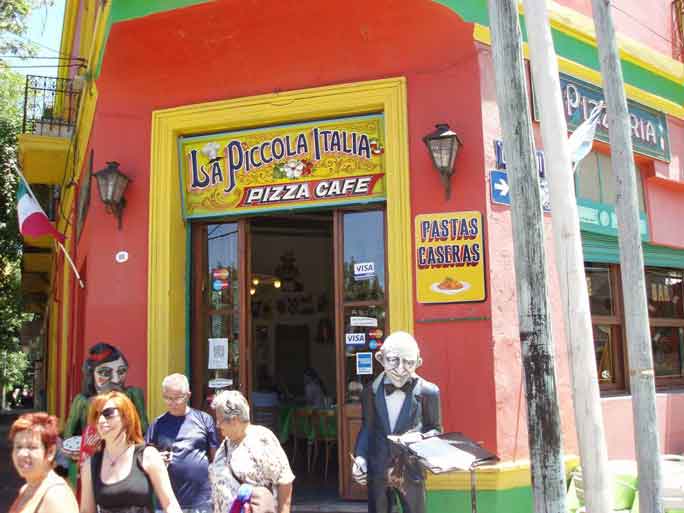
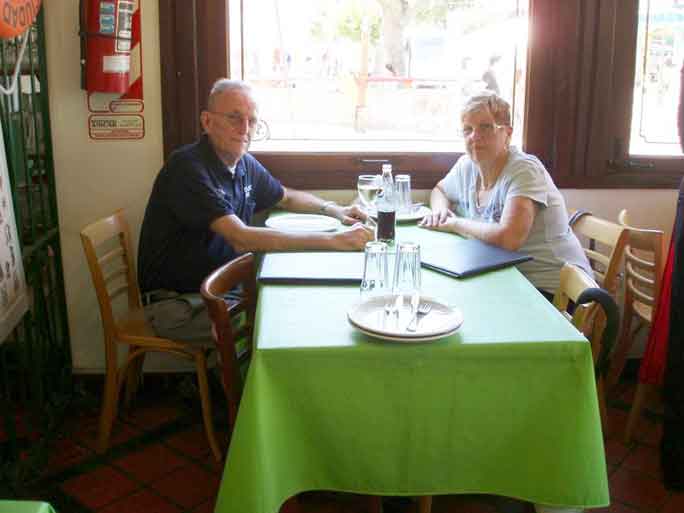
You
can not visit
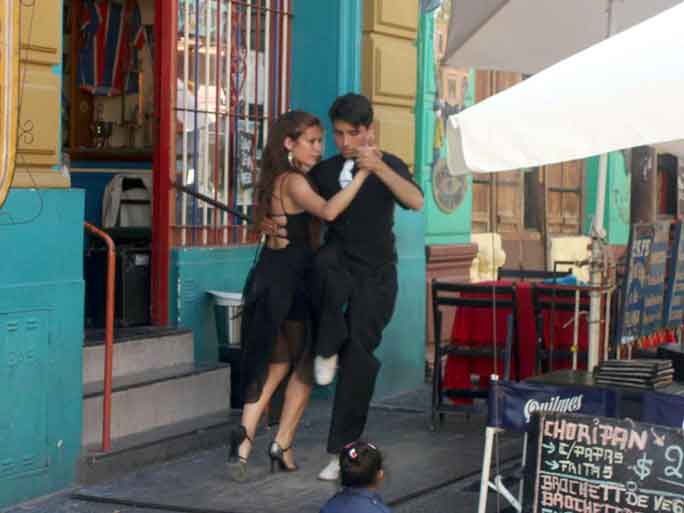

After
a wonderful two days in
What
a surprise awaited us from our cabin balcony when we opened the curtains in the
morning in
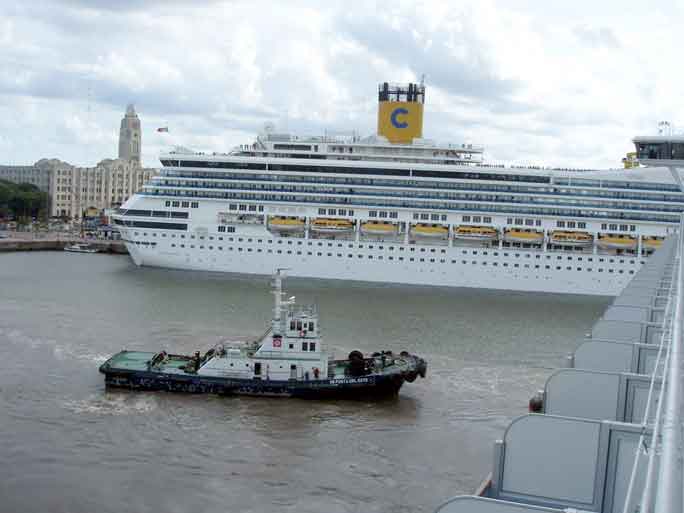
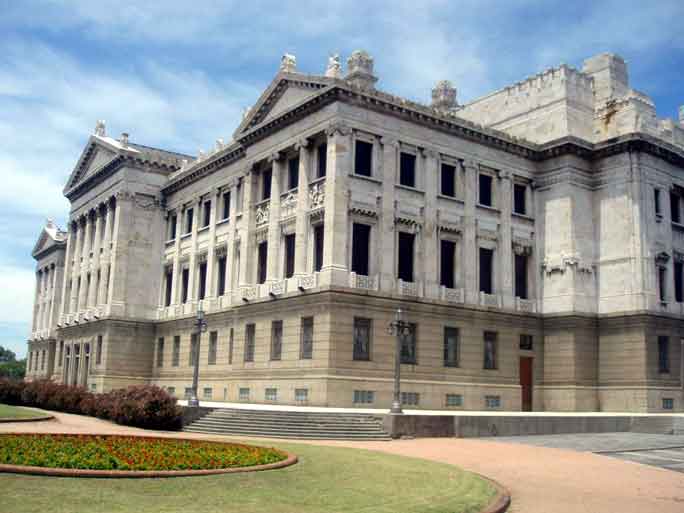
And
adjacent to the legislative palace is the more modern edifice housing the
national television station. I’d be delighted to place a beam at the top
of the building, but I would hope it doesn’t look like the one that is
presently there!

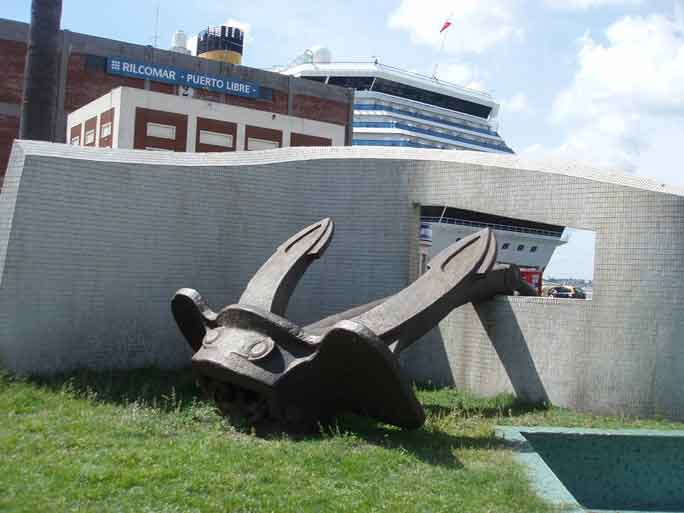
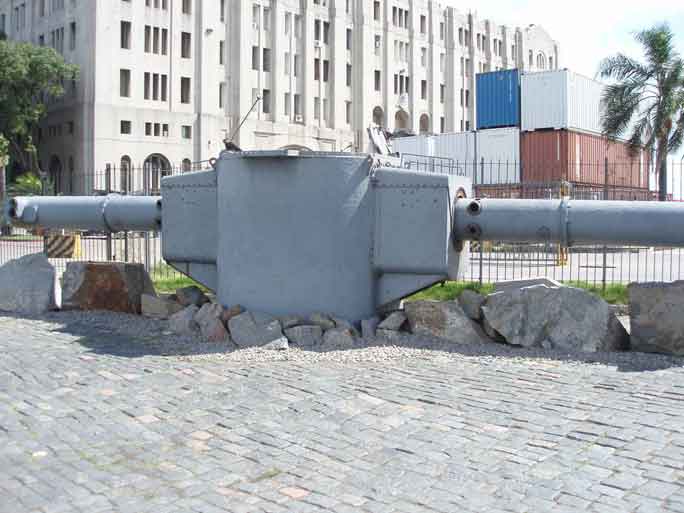
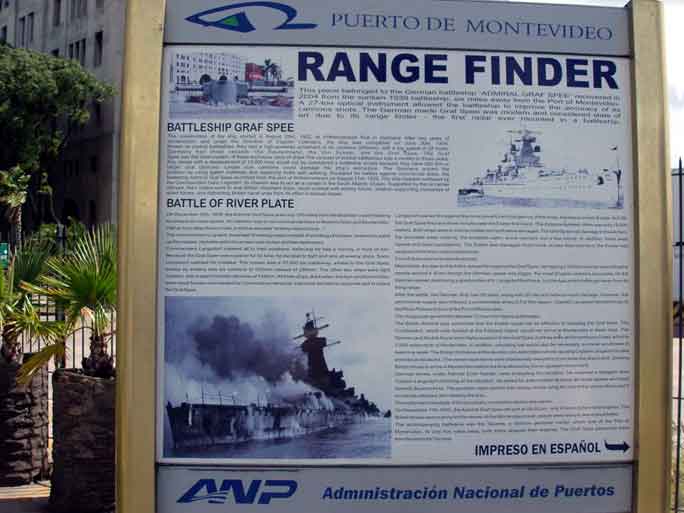
After
a pleasant day in
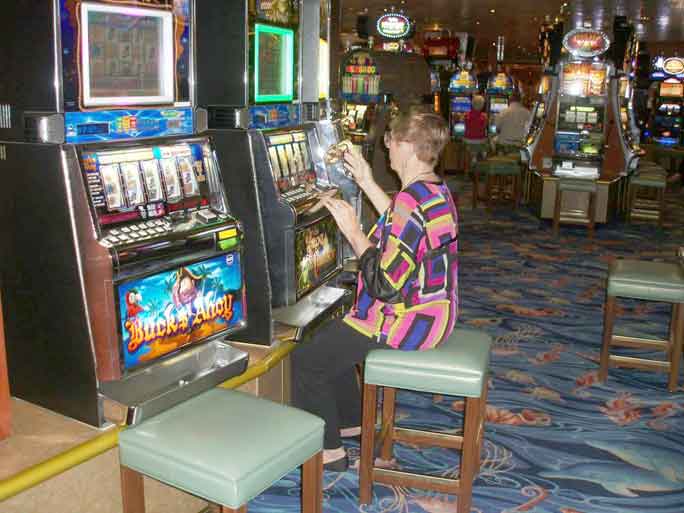
By
the way, that is a penny (1 cent) machine!
Warm
regards
Charlie

